
Air Rifle Caliber Guide: .177, .22, .25, .30 & Big Bore
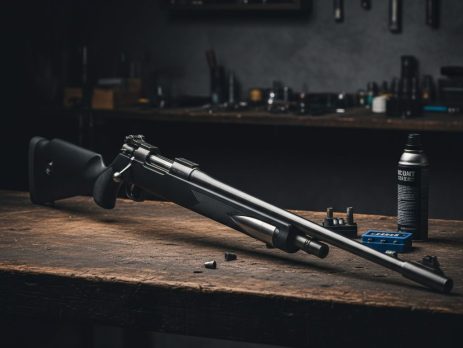
Caliber is the first real decision in buying an air rifle, and the trade-offs are simple once someone lays them out. Here’s how each behaves so you can match it to what you actually shoot.
.177 — flat, fast, frugal
The smallest common caliber shoots flattest and gives the most shots per fill. For target work and small pests inside about 25 yards, that flat trajectory makes hits easy. The downside is energy: light projectiles shed speed and get pushed by wind. Great for paper and plinking, less so for serious hunting.
.22 — the all-rounder
If one caliber had to do everything, it’s .22. Enough weight to hit hard on rabbits, squirrels, and rats, better wind resistance than .177, and still efficient enough for a useful string of shots. The pellet selection is enormous. For most hunters and pesters, .22 is the right answer and rarely the wrong one.
.25 — more punch, fewer shots
Step up when your quarry gets bigger or your ranges open up. A .25 hits noticeably harder and holds its line in wind, at the cost of air and shot count. On a regulated rifle it’s a sweet spot for serious pest control. Torn between the two? See .22 vs .25 guide.
.30 and big bore
The .30, .357 and larger calibers deliver real energy for larger quarry and longer shots — but they drink air, so plan your fills. The big bore air rifles guide covers this end of the spectrum.
Pick in one line
- Targets & small pests: .177
- All-round hunting: .22
- Bigger pests, more range: .25
- Large quarry: .30+
Whatever you pick, the projectile matters as much as the bore — read how to choose pellets next, and browse matching air rifles.


Leave a Reply
You must be logged in to post a comment.